this is a universal experience because education is chronically underfunded across the world
Bungalows. I had an art class and English class in these mfs
My entire 3rd and 4th grade years were in these
band in elementary school
10th grade world history for me
Ours was detention, which really added to the prison feel.
My mom taught in one for a year and got sick due to the mold the school refused to do anything about.
A couple science classes in elementary and high school. And the high school teacher would slap this thick yard stick’s flat edge against various students’ desks to get everybody to shut up.
One time it broke in half.
School has always sucked and will always suck.
y’all believed they were temporary? we called ‘em portables but yknow, once shit gets put on cinder blocks…
When I had to retake 10th grade English. The district called them portables, because they were repurposed trailers.
We called them the prefabs, my form class was in one. The one we were in always stunk to high heaven and we all thought it was the toilets.
Turns out during the summer they found a dead fox under there.
These were used for the ‘Special Needs’ classes when I went to upper elementary (grades 5 and 6 separated out due to a large volume of students at the time). They were always way too hot in the spring and fall, and way too cold in the summer.
Plus it took forever to get to any extracurriculars in the building, which meant you’d be missing like 10 minutes of a half hour lunch club.
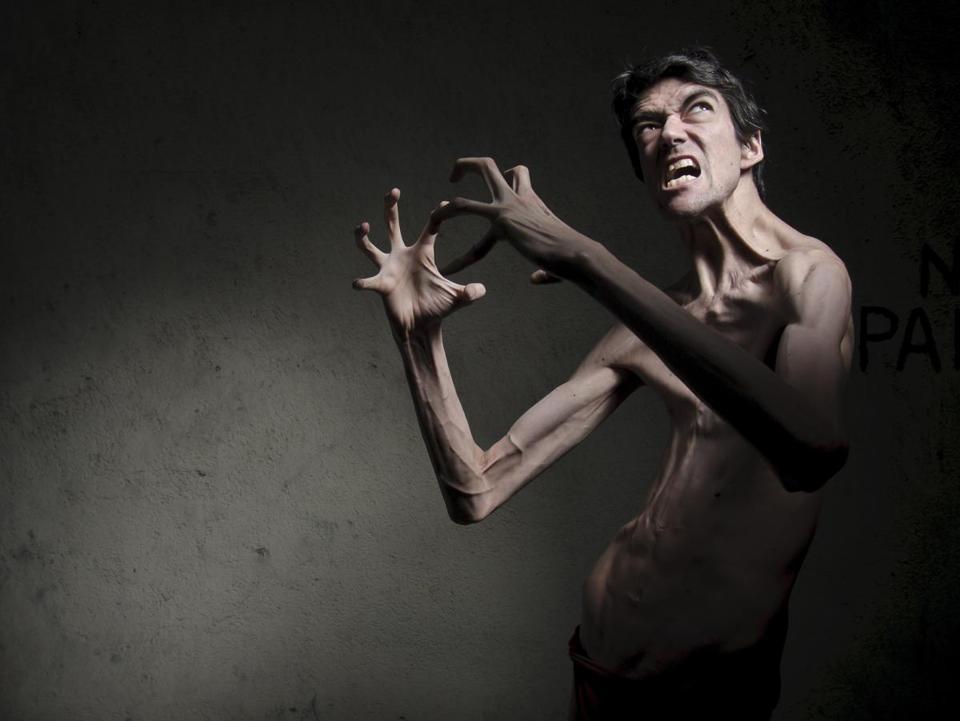
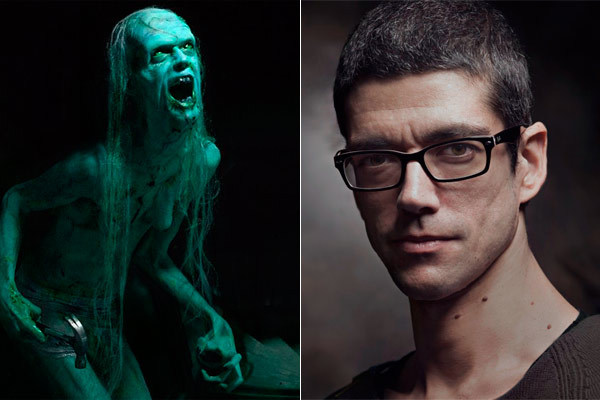
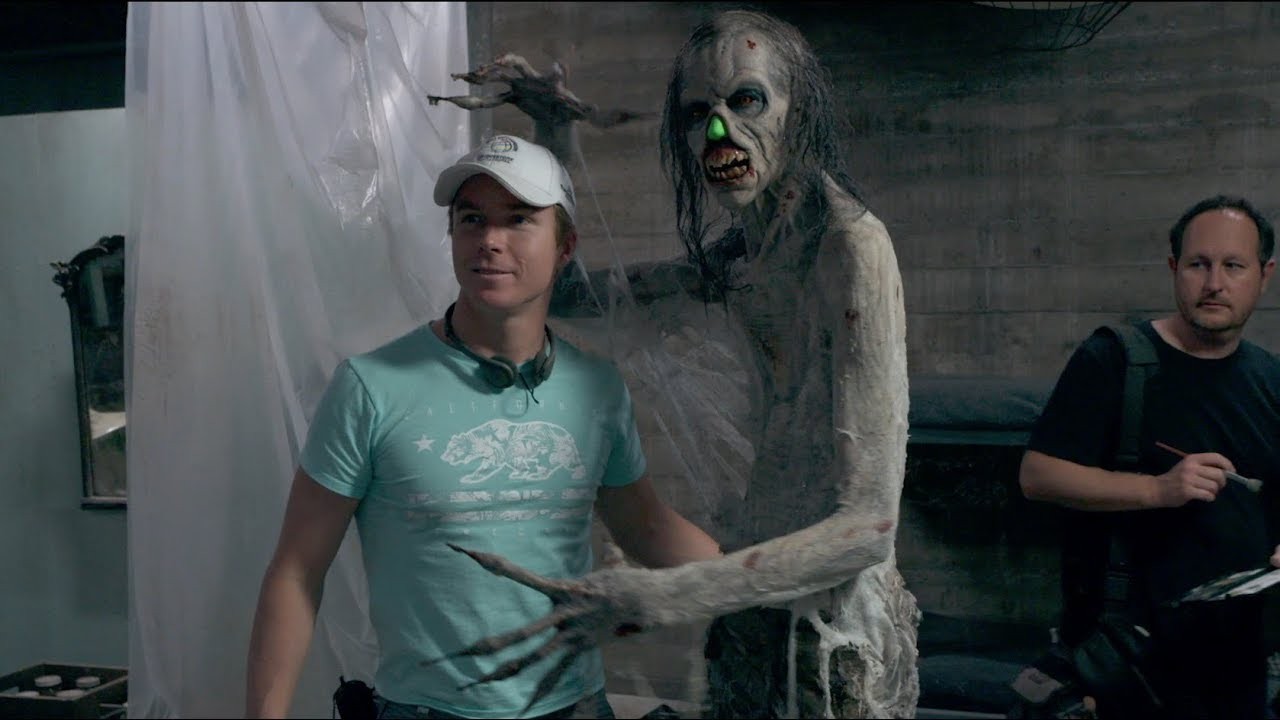
I just watched The Conjuring 2, and while it’s on my mind in a similar vein to this post, I also want to spread some appreciation for Javier Botet because GOD DAMN LOOK AT THIS SHIT
He has Marfan Syndrome, which is a rare connective tissue condition that gives him bizarrely elongated limbs and allows him to do unnatural things with his body, and he’s built quite a resume for himself appearing in horror movies
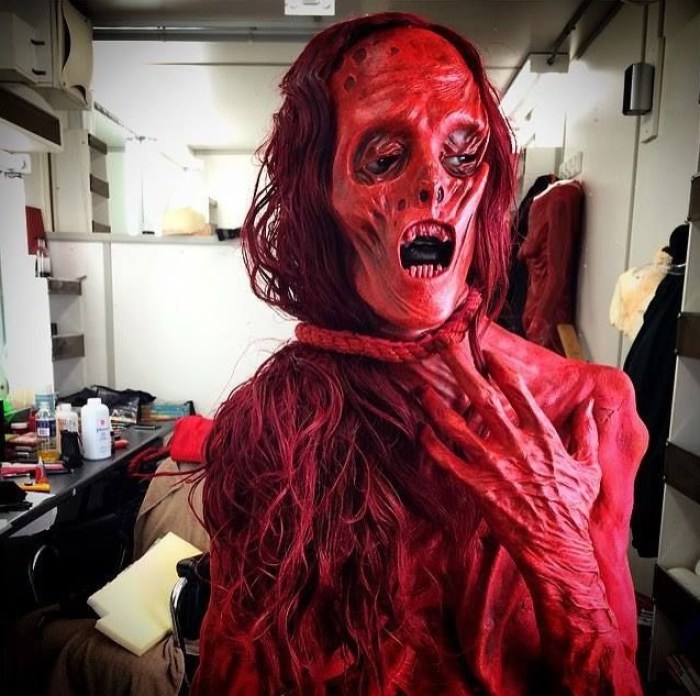
Like Doug Jones, he also appeared as three of the ghosts in Crimson Peak:
But you may have also seen him as The Crooked Man in The Conjuring 2:
Eddie’s leper in IT:
The Nina monster in all three REC movies:
Set, the God of Death in The Mummy (2017):
The titular creature in Mama:
He did motion capture work for the Xenomorph in Alien: Covenant:
And he most recently appeared in Insidious: The Last Key and the Slender Man movie!!
He’s done other more obscure horror movies too but basically this guy is adorable and inspiring and an amazing talent and I adore him 8D
is “chai” a TYPE of tea??! bc in Hindi/Urdu, the word chai just means tea
its like spicy cinnamon tea instead of bland gross black tea
I think the chai that me and all other Muslims that I know drink is just black tea
i mean i always thought chai was just another word for tea?? in russian chai is tea
why don’t white people just say tea
do they mean it’s that spicy cinnamon tea
why don’t they just call it “spicy cinnamon tea”
the spicy cinnamon one is actually masala chai specifically so like
there’s literally no reason to just say chai or chai
They don’t know better. To them “chai tea” IS that specific kind of like, creamy cinnamony tea. They think “chai” is an adjective describing “tea”.
What English sometimes does when it encounters words in other languages that it already has a word for is to use that word to refer to a specific type of that thing. It’s like distinguishing between what English speakers consider the prototype of the word in English from what we consider non-prototypical.
(Sidenote: prototype theory means that people think of the most prototypical instances of a thing before they think of weirder types. For example: list four kinds of birds to yourself right now. You probably started with local songbirds, which for me is robins, blue birds, cardinals, starlings. If I had you list three more, you might say pigeons or eagles or falcons. It would probably take you a while to get to penguins and emus and ducks, even though those are all birds too. A duck or a penguin, however, is not a prototypical bird.)
“Chai” means tea in Hindi-Urdu, but “chai tea” in English means “tea prepared like masala chai” because it’s useful to have a word to distinguish “the kind of tea we make here” from “the kind of tea they make somewhere else”.
“Naan” may mean bread, but “naan bread” means specifically “bread prepared like this” because it’s useful to have a word to distinguish between “bread made how we make it” and “bread how other people make it”.
We also sometimes say “liege lord” when talking about feudal homage, even though “liege” is just “lord” in French, or “flower blossom” to describe the part of the flower that opens, even though when “flower” was borrowed from French it meant the same thing as blossom.
We also do this with place names: “brea” means tar in Spanish, but when we came across a place where Spanish-speakers were like “there’s tar here”, we took that and said “Okay, here’s the La Brea tar pits”.
Or “Sahara”. Sahara already meant “giant desert,” but we call it the Sahara desert to distinguish it from other giant deserts, like the Gobi desert (Gobi also means desert btw).
Languages tend to use a lot of repetition to make sure that things are clear. English says “John walks”, and the -s on walks means “one person is doing this” even though we know “John” is one person. Spanish puts tense markers on every instance of a verb in a sentence, even when it’s abundantly clear that they all have the same tense (”ayer [yo] caminé por el parque y jugué tenis” even though “ayer” means yesterday and “yo” means I and the -é means “I in the past”). English apparently also likes to use semantic repetition, so that people know that “chai” is a type of tea and “naan” is a type of bread and “Sahara” is a desert. (I could also totally see someone labeling something, for instance, pan dulce sweetbread, even though “pan dulce” means “sweet bread”.)
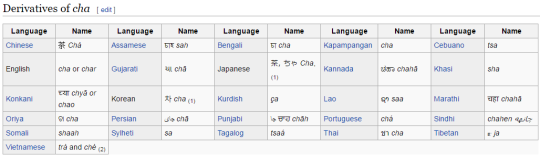
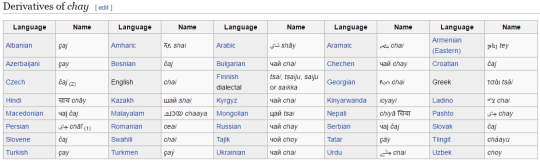
Also, specifically with the chai/tea thing, many languages either use the Malay root and end up with a word that sounds like “tea” (like té in Spanish), or they use the Mandarin root and end up with a word that sounds like “chai” (like cha in Portuguese).
So, can we all stop making fun of this now?
Okay and I’m totally going to jump in here about tea because it’s cool. Ever wonder why some languages call tea “chai” or “cha” and others call it “tea” or “the”?
It literally all depends on which parts of China (or, more specifically, what Chinese) those cultures got their tea from, and who in turn they sold their tea to.
The Portuguese imported tea from the Southern provinces through Macau, so they called tea “cha” because in Cantonese it’s “cha”. The Dutch got tea from Fujian, where Min Chinese was more heavily spoken so it’s “thee” coming from “te”. And because the Dutch sold tea to so much of Europe, that proliferated the “te” pronunciation to France (”the”), English (”tea”) etc, even though the vast majority of Chinese people speak dialects that pronounce it “cha” (by which I mean Mandarin and Cantonese which accounts for a lot of the people who speak Chinese even though they aren’t the only dialects).
And “chai”/”chay” comes from the Persian pronunciation who got it from the Northern Chinese who then brought it all over Central Asia and became chai.
The O’Reilly Spite House is located in Cambridge, Massachusetts. This is one of several spite houses in Massachusetts. A spite house is just that – a home or building built out of pure spite. The O’Reilly house was built after
Francis O’Reilly’s neighbor refused to buy the little plot of land as an investment. He built the 308 square foot house in 1908. It measures in at 37 feet long and 8 feet wide. As of 2006, a store called
Annie Hall Interiors resides in the tiny building.