‘Green fingers’ are a fact, and a mystery only to the unpracticed. But green fingers are the extensions of a verdant heart. A good garden cannot be made by somebody who has not developed the capacity to know and love growing things.
Excuse me hang on a minute that is the VERY LARGEST SUNFLOWER I have ever seen? Even if my sense of scale is completely off in height, it’s still got mammoth leaves and an alarmingly huge head.
What. How. What variety. What bargains with the devil. How
The variety is called “Titan”. Seeds are available at www.seedsavers.org
The variety is called “my girlfriend” and I love her so much
Aquatic plants buried underground for more than a century can be revived and regrown, according to a new study investigating the phenomenon of ‘ghost ponds’ – ponds that aren’t properly drained but filled in with soil and vegetation under agricultural land.
Restoring some of these buried ponds, and the habitats hidden in limbo beneath the soil, could be a valuable way of reversing habitat and biodiversity losses, say researchers, and we could even bring some plant species back from the dead.
The team from University College London in the UK has dug out three ghost ponds so far and estimates there could be as many as 600,000 similar patches spread out across the English countryside.
“We have shown that ghost ponds can be resurrected, and remarkably wetland plants lost for centuries can be brought back to life from preserved seeds,” says lead researcher Emily Alderton.
i wonder how it’d work for naturally filled wetlands – the shallower glacial ponds and lakes around here just fill themselves over time. i wonder if you could dredge down through a few centuries of dead leaves and sediment to find living roots.
I’ll be grabbing some articles in a separate set of posts for better weight but till then I’m gonna start with this post here;
When people hear about plants that are poached by plant collectors to the point of being endangered/extinct we hear plants like orchid species, carnivorous plants like venus fly traps, sundews, and pitcher plants. One that gets thrown under the bus and forgotten in that word of warning though it always tends to be the succulents and especially the cacti.
Cacti are thought of as these plants that are utterly indestructible, taking on environments that many other plants cannot. This is true but it often comes at a price; most grow/reproduce super slowly in the wild and can take years just to reach sexual maturity, making them particularly vulnerable when mature plants are taken from their habitat and brought into horticulture. Also like other wild collected plants, there comes a huge risk of either bringing pests/diseases into domestic plant collections (via the poached plants) or making the collected plants all the rarer by killing them off from the pests/diseases that already exist in plant collections.
Except in extremely specific circumstances (a habitat being destroyed for urbanization/agriculture being one of those cases) cacti should not be taken from the wild, nor should they be purchased from sources which encourage the collecting of wild cacti. Leave wild cacti alone and enjoy/admire them from afar, and instead support responsible horticulturalists that sell cacti propagated from nursery stock (which do so from seed and/or cuttings). They may be smaller than their wild counterparts due to the difference in age, but they will reach that magnificent size with time, and will at least make sure that such old plants still exist in the wild in the first place.
Also in many places here it is straight up illegal to take plants out of their natural habitat. As in I’ve seen tourists being arrested for trying to take cacti and flowering plants from reservations.
^ exactly. This is not some morally grey area “police will overlook it” kind of illegality, you can be arrested for taking plants from protected areas, as well as just collecting rare/endangered plants period. It has been tourists and overzealous collectors that have made many exotic/rare plants species extinct in botanical history and as such they are gonna be pretty strict to keep any more from going extinct from the exact same cause. Only time there’d ever be an exception in collecting in such places would be through certified collectors with the license to collect these plants in an attempt to propagate/preserve that specific species (case in point the one propagating program that’s been going on in the Hawaiian islands), which is a very uncommon/rare occurrence and even then that can be walking on ecologically thin ice.
In reiteration, DO NOT WILD COLLECT. ESPECIALLY IN PROTECTED AREAS AND RESERVATIONS.
THE PLONTS ARE HAPPIEST IN THEIR HOMES WHERE SOME OF THEM HAVE LIVED FOR LITERAL DECADES!!!
also if you choose to propagate the sharp babies from (legally sold) seed, I think u will find that much like many conventionally cute animals the baby cacti are like. the sweetest and most perfect babies ever. like they’re the size of a pin top at about 6 weeks old and it’s just…..the most pure thing I’m on mobile so I can’t add pics but raising cacti man. do not take them from the wild when u can cheer them on from seed in ur home????
I’ve grown Ferocactus and Schlumbergera before (and I’m on browser rn) so I can provide some pic examples of cacti bbies for you @botanyshitposts;
Don’t let that closeup fool you on the size, here’s a pic of some schlumbergera seedlings next to some pennies;
Most species in the Cactaceae aren’t too difficult either and are about as easy to start from seed as starting annuals from seed (albeit at a slower pace).
Reminder that plant poaching is a thing and it can have horrid consequences the same way animal poaching can.
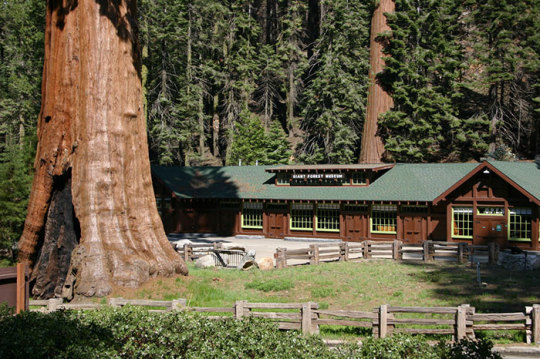
This is one of the best stories we read in a long time. An arborist AKA a tree caretaker and tree surgeon from Redondo Beach, California had to watch the death of one of his favorite trees, which was ordered by the mayor. Although he lost a great battle, he won the war. Find out how he avenged the death of his 30-year-old pepper tree named Clyde.
His story was recently shared online and has already been shared over 150k times. RIP Clyde.
Sorry for the poor Microsoft Word quality, but here’s a master chart I made of all the petunia and petunia mixes pulled from the market for illegal genetic modification, as of 5/25/2017. These plants are slated to be destroyed. (See here for official USDA notice)
Someone with the background info care to explain this story? Why/how they were genetically modified and why it was illegal? Is it illegal to GM petunias? Did they do something really weird with it? I’m curious.






 PiraticOctopus